 Skip to content

St. Petersburg Fishing Charter | The Ultimate Guide to Tampa Bay’s Best Bite
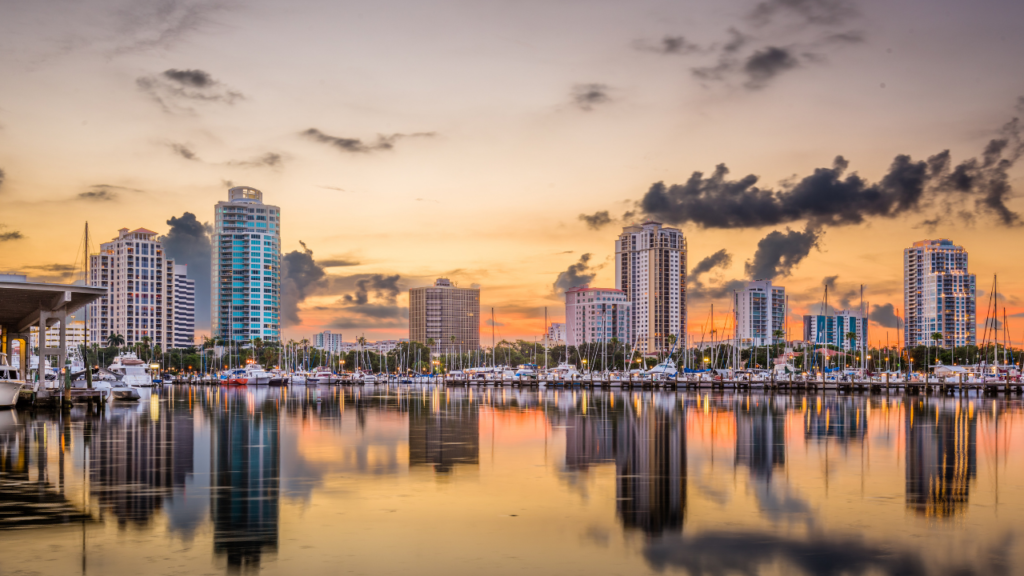
St. Petersburg fishing charters offer some of the most diverse and productive, fishing anywhere on Florida’s Gulf Coast. Perfectly positioned between the expansive estuary of Tampa Bay and the open waters of the Gulf of Mexico, St. Petersburg provides anglers with a unique opportunity to experience multiple fisheries in a single trip. From shallow grass flats and mangrove shorelines to deep passes, bridges, and nearshore reefs, this region is built for consistent fishing success throughout the year.
Whether you are a seasoned angler chasing trophy fish or a beginner looking to learn the fundamentals, St. Petersburg offers a fishery that adapts to you. The ability to pivot between inshore, nearshore, and coastal environments based on weather, tides, and seasonal patterns is what makes this area stand out from other fishing destinations in Florida.
If you are looking for a professional and results-driven experience, Salty Scales Fishing Charters delivers a trip built around knowledge, preparation, and execution. Captain Joshua Taylor brings over three decades of experience fishing Tampa Bay and surrounding waters. His ability to read conditions, stay on bait, and adjust to what the water is doing ensures that every trip is focused on putting clients in the best possible position to catch fish.
Why St. Petersburg Is One of Florida’s Top Fishing Destinations
St. Petersburg’s location creates a perfect storm of fishing opportunity. Tampa Bay, one of the largest estuaries in Florida, feeds nutrient-rich water into the surrounding ecosystem. This supports massive populations of baitfish such as pilchards, threadfin herring, and pinfish, which in turn attract predator species year-round.
At the same time, the nearby Gulf of Mexico offers deeper water, stronger currents, and migratory pathways for larger species. This combination allows anglers to target everything from shallow-water redfish to offshore grouper within a relatively short run. Few places in Florida offer this level of accessibility and variety.
Adding to the appeal are the iconic landmarks that define the St. Petersburg area. The Sunshine Skyway Bridge is not only a recognizable structure, but also a highly productive fishing zone where depth changes and current create feeding opportunities for a wide range of species. The St. Pete Pier provides direct access to Tampa Bay waters and serves as both a recreational hotspot and a productive fishing location. To the south, Fort De Soto offers pristine beaches, mangrove islands, and grass flats that consistently produce fish. Along the Gulf shoreline, the Don CeSar stands as a historic landmark overlooking some of the most productive tarpon waters in the region.
These locations are more than just scenic backdrops. They are key parts of the ecosystem that contribute to the consistent fishing success St. Petersburg is known for.
North St. Petersburg – Tampa Bay Fishing
The northern region of St. Petersburg provides classic Tampa Bay fishing at its finest. Expansive grass flats stretch for miles, broken up by sandy potholes and oyster bars that create ideal feeding zones for inshore species. Mangrove shorelines line the edges of these flats, offering structure and shade where fish can ambush passing bait.
Areas such as Weedon Island, Riviera Bay, and the Gandy region are known for holding strong populations of snook, redfish, and speckled trout. These waters are protected from heavy wind and swell, making them ideal for light tackle fishing and sight fishing opportunities.
On calm mornings, anglers can often see fish moving through shallow water or staging along edges waiting for the tide to push bait their way. The key in these areas is presentation and patience. Accurate casts and a natural presentation can make the difference between a slow day and steady action.
These waters are also excellent for anglers of all skill levels. Whether you are working artificial lures across grass flats or fishing live bait along mangrove edges, the opportunities for consistent action are always present.
St. Pete Beaches and Gulf Waters
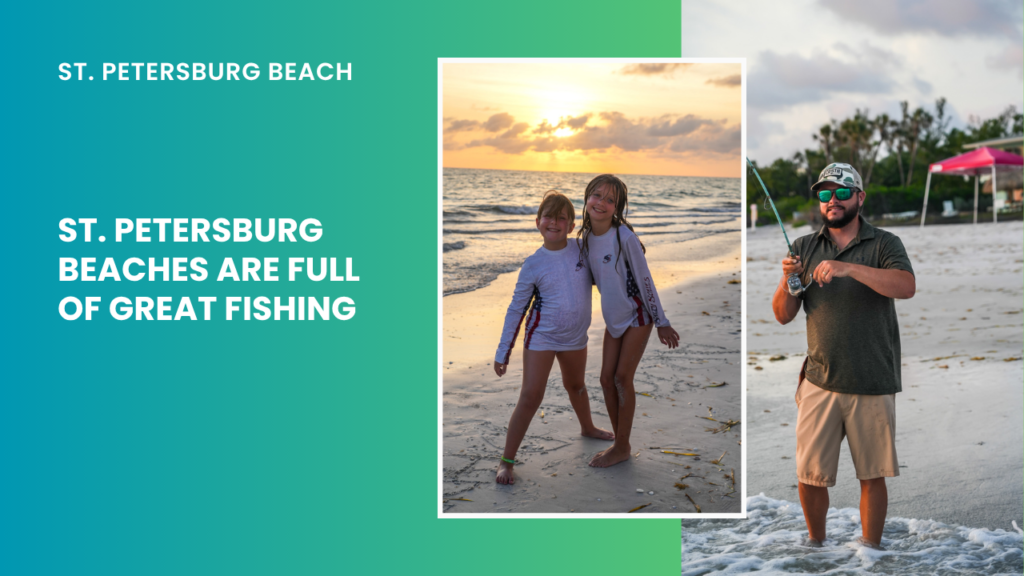
Moving west, the fishery transitions into a completely different environment along the Gulf beaches. St. Pete Beach, Pass-a-Grille, and Treasure Island offer clean water, open sight lines, and long stretches of sandbars that attract a wide range of species.
This is where things get truly exciting during the warmer months. As water temperatures rise, tarpon begin their migration along the coastline. These massive fish, often exceeding 100 pounds, travel in schools just off the beach, creating one of the most sought-after fishing experiences in the world.
Sight fishing for tarpon along the beaches is as visual as it gets. Anglers scan the water for rolling fish, position the boat ahead of the school, and present baits in their path. When a tarpon commits, the result is an explosive strike followed by powerful runs and aerial displays that are unmatched in saltwater fishing.
In addition to tarpon, the Gulf waters hold Spanish mackerel, kingfish, sharks, and other pelagic species. When bait schools are present, the action can be fast and aggressive, offering nonstop excitement.
In addition to tarpon, anglers can also target Spanish mackerel, kingfish, sharks, and other pelagic species along the beaches and just offshore. The action can be fast-paced and highly visual, especially when bait schools are present.
Catching and Fighting Tarpon in St. Petersburg Waters
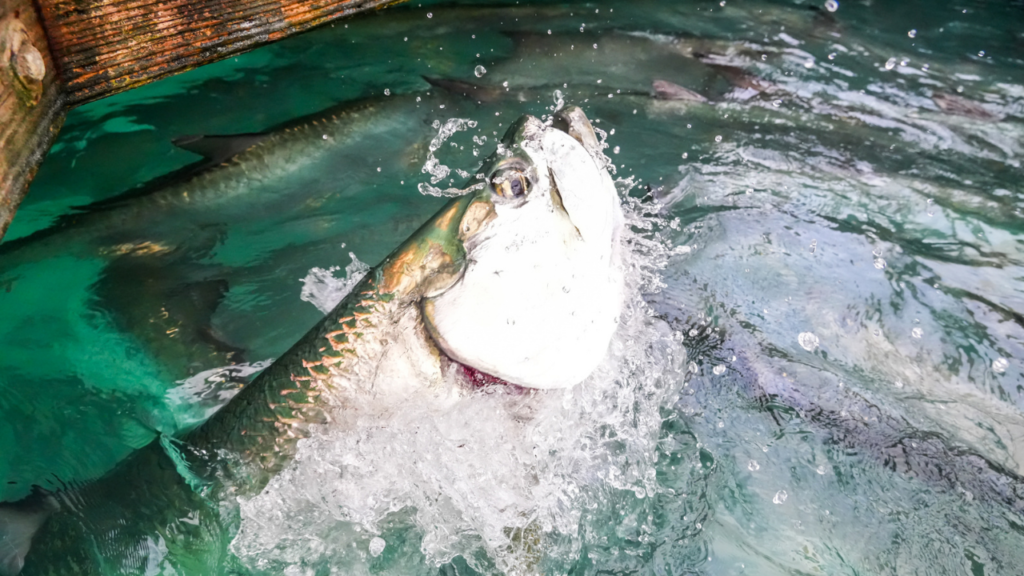
Tarpon fishing in St. Petersburg is not just about catching a fish. It is about experiencing one of the most powerful and iconic gamefish in the world. Each spring and summer, migratory tarpon move through the area in large numbers, staging along beaches, passes, and bridges where they feed on abundant bait.
Preparation is critical when targeting tarpon. Heavy spinning or conventional tackle is required to handle their strength and endurance. Most anglers use braided line paired with a heavy fluorocarbon leader to withstand abrasion from the tarpon’s rough mouth. Live baits such as threadfin herring, pass crabs, and pinfish are highly effective, especially during strong tidal movement.
Once hooked, the fight is immediate and intense. Tarpon are known for their ability to launch completely out of the water, shaking their heads violently in an attempt to throw the hook. During these jumps, anglers must bow to the fish by lowering the rod tip to reduce tension. This simple but critical technique significantly increases the chances of staying connected.
The fight itself requires patience and control. Tarpon can make long, powerful runs and often change direction without warning. Managing drag, maintaining steady pressure, and positioning the boat correctly all play a role in successfully landing the fish.
Equally important is handling the fish responsibly. Tarpon are typically released, and minimizing fight time helps ensure they remain healthy after release. When done correctly, the experience of landing a tarpon is one that stays with anglers for a lifetime.
Passes, Bridges and Structure Fishing
 Passes and bridges throughout St. Petersburg act as natural funnels where water movement concentrates bait and predator fish. John’s Pass, Blind Pass, and the areas surrounding the Sunshine Skyway Bridge are prime examples of this.
Strong tidal flow pushes bait through these areas, creating feeding opportunities for species like snook, mangrove snapper, sheepshead, and tarpon. Fishing these zones effectively requires understanding how current moves and positioning baits where fish are most likely to be holding.
These areas can produce some of the most consistent action in the region, especially during peak feeding times around tide changes.
Nearshore and Offshore Fishing
St. Petersburg also provides quick access to productive nearshore and offshore waters. Within a relatively short run, anglers can reach ledges, rock piles, and reefs that hold species like gag grouper, lane snapper, and hogfish.
When grouper season opens, the energy on the water is undeniable. Boats spread out across known spots, all targeting these powerful bottom dwellers. Hooking into a quality gag grouper and pulling it away from structure requires strength, timing, and the right equipment.
With a limited season, planning becomes essential. Weather, tides, and conditions can quickly impact your ability to fish, making it important to take advantage of favorable windows. When everything lines up, it is possible to put together an impressive catch in a short amount of time.
What You Can Catch on St. Petersburg Fishing Charter
St. Petersburg’s fishery is built on variety. Snook are a top target, known for their aggressive strikes and acrobatic fights. They thrive around structure such as mangroves, docks, and passes.
Redfish provide steady action and are often found cruising shallow flats and oyster bars. Their strength and willingness to feed make them a favorite among anglers.
Spotted seatrout offer consistent numbers and are ideal for anglers looking for steady action.
Tarpon provide the ultimate challenge, delivering unforgettable battles during their seasonal migration.
Nearshore species such as grouper and snapper add another layer of opportunity, offering both excitement and excellent table fare.
What Makes St. Petersburg Fishing Special
The true advantage of fishing in St. Petersburg is adaptability. Few places allow anglers to transition between so many different environments in such a short distance. If one area is not producing, it is easy to adjust and find active fish elsewhere.
This flexibility, combined with strong tides, healthy grass flats, and abundant bait, creates a fishery that produces consistent results year-round.
Experience St. Petersburg Fishing
St. Petersburg continues to stand out as one of the premier fishing destinations on Florida’s west coast. With access to Tampa Bay, the Gulf of Mexico, and everything in between, it offers unmatched diversity and opportunity for anglers of all skill levels.
Success in these waters comes down to preparation, timing, and the ability to adapt. Understanding tides, staying on bait, and making the right moves throughout the day are what separate a good trip from a great one.
When everything comes together, St. Petersburg delivers fishing experiences that are both exciting and unforgettable.
If you are ready to get on the water and experience it for yourself, booking a trip with an experienced captain is the best way to maximize your time and success. With the right guidance and local knowledge, you can tap into everything these waters have to offer and create memories that will last a lifetime.