Skip to content

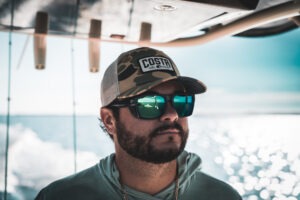
Tampa Bay is home to me and lots of redfish. You might be wondering who I am. My name is Capt. Joshua Taylor and I have lived in the Tampa and Ruskin area for most of my life. I have been blessed to grow up fishing these waters, and I truly believe I have one of the best backyards in the world. Maybe I am a little biased, but the diversity here is hard to beat.
 Tampa Bay offers a unique mix of ecosystems that support an incredible fishery. We have miles of mangrove shorelines, healthy grass flats, winding rivers, and a deep shipping channel. Each area holds different species, creating endless opportunities for anglers. The mangroves are perfect for snook and redfish. The flats are loaded with trout and baitfish. The deeper channels and structure hold bottom species like gag grouper and mangrove snapper.
One of the best aspects of Tampa Bay is how everything is interconnected. Fish move with the tides and seasons, which keeps the fishing fresh year-round. No two days are ever the same. That is what keeps me coming back every single time.
I have mentioned in previous articles that there are hundreds of species of fish in Tampa Bay, but today we are going to touch on my favorite inshore fish, which is the redfish.
Redfish
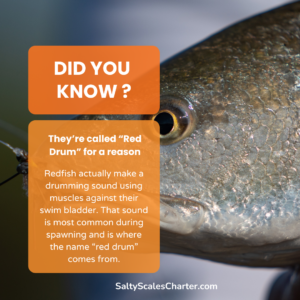
Redfish are also called red drum, with the scientific name Sciaenops ocellatus. My favorite inshore fish in Tampa Bay is hands down the redfish. They are beautiful, strong, and put up a great fight. They also make an incredible blackened sandwich and are one of the most consistent species in Tampa Bay. They are a favorite for both beginners and experienced anglers.
Appearance
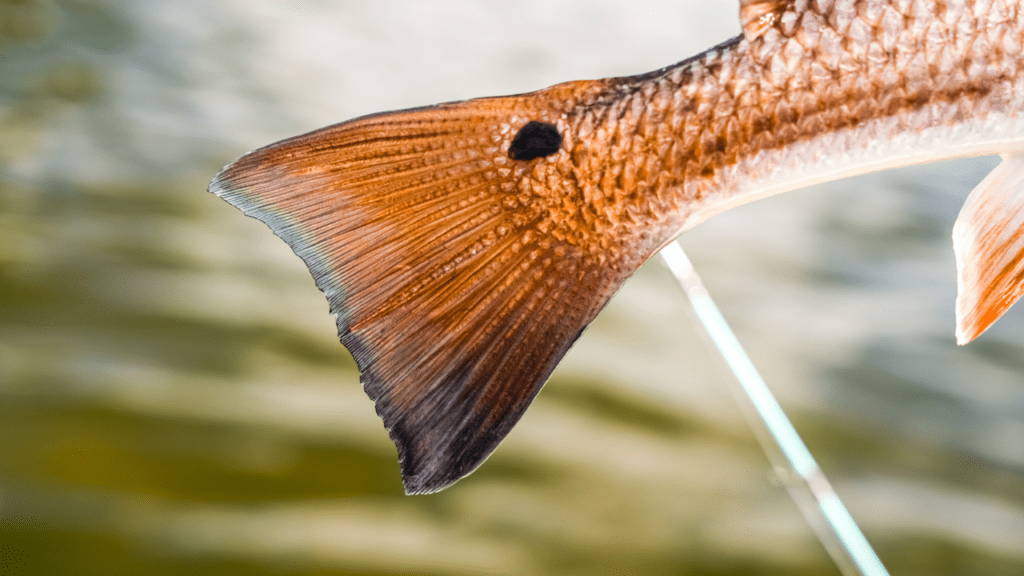
Redfish are bronze or light gold, depending on the water they are in. When found in rivers or darker water, they take on a deep bronze color that is absolutely stunning. When you find them near clear water beaches, they appear more light gold. Redfish have a distinct black spot near their tail. Many believe this spot helps confuse predators by drawing attention away from the head. They also have a blue-edged tail that lights up in the sun. Marine biologists believe this color comes from their diet, which includes shrimp and blue crabs. Redfish can grow up to fifty inches and over fifty pounds, but most fish in Tampa Bay are under ten pounds.
Redfish Habitat
Red drum are found in coastal waters and estuaries, which makes Tampa Bay a perfect home. The bay acts as a large nursery system that supports strong populations of redfish year-round.
They love grass flats, mangrove shorelines, oyster bars, and shallow water. These areas provide both food and protection. Redfish use structure and moving water to ambush baitfish, shrimp, and crabs.
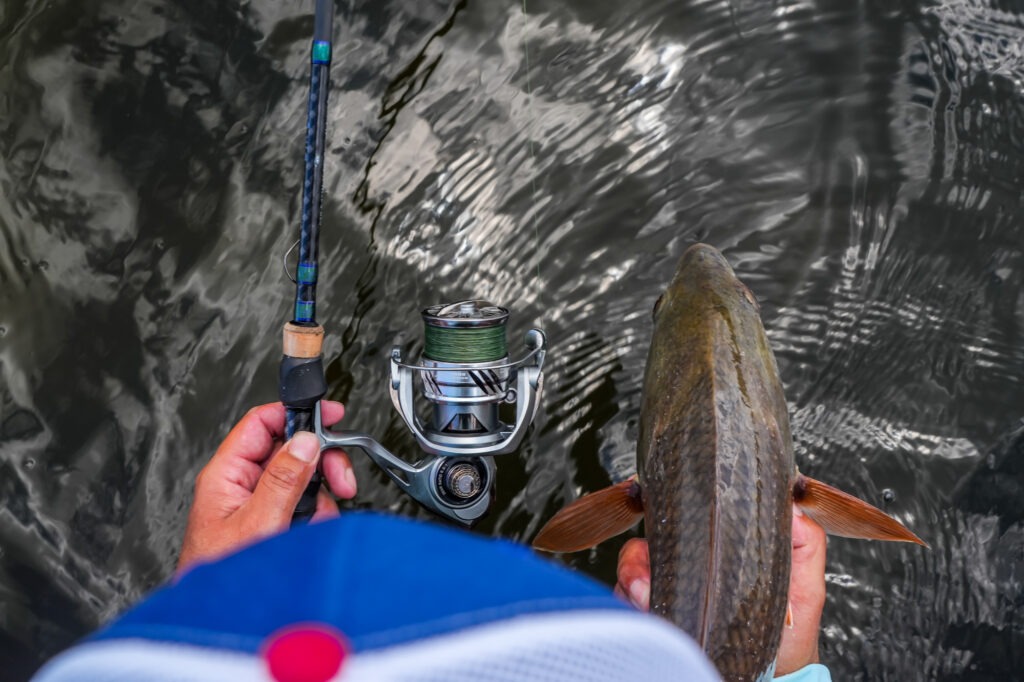
One of the most exciting things about redfish is how shallow they will go. It is common to find them cruising in just inches of water or tailing as they feed. This makes them perfect for sight fishing. Tampa Bay’s warm water and nutrient-rich environment continue to support a healthy and thriving redfish population.
Redfish Behavior
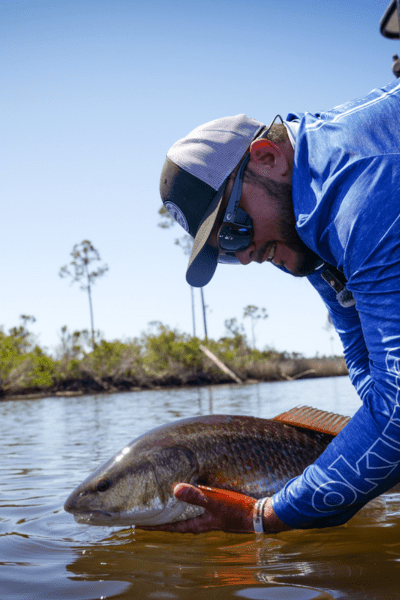 Redfish are very structure-oriented fish. They rely heavily on their surroundings for both protection and feeding opportunities. It is common to find them around dock pilings, bridges, mangrove shorelines, oyster bars, and even potholes on the flats. These areas hold bait, and redfish use them as ambush points. If there is moving water and structure, there is a good chance redfish are nearby.
It is not uncommon to see redfish in large schools, especially during the spring and fall months. These schools can consist of 50 to well over 200 fish, and in some cases, even larger. Watching a school of redfish push across a flat or along a shoreline is something every angler should experience at least once. You will often see their backs, tails, and wakes as they move together, feeding aggressively. When they are in this mode, competition kicks in, and they will strike baits quickly.
Larger bull redfish are typically more solitary, but they do group up during spawning periods. These fish often move offshore into deeper water to breed, especially in late summer and early fall. Bull redfish are powerful fish and can put up long, hard runs that will test your gear and your endurance.
Redfish are also known for their strong sense of smell and their ability to locate food in dirty water. They use their downward-facing mouths to root along the bottom in search of crabs, shrimp, and baitfish. It is common to see them “tailing” in shallow water as they feed, with their tails sticking out of the water while their heads are buried in the grass or mud.
Another interesting fact is that redfish can tolerate a wide range of salinity levels. They can move from full saltwater into brackish rivers and back again without issue. This adaptability is one of the reasons they thrive in Tampa Bay. Redfish are also long-lived fish, with some individuals living over 30 to 40 years. Many of the larger fish you catch have been around for decades, which is why proper handling and catch-and-release practices are so important for the future of the fishery.
Feeding
Diet includes:
 Shrimp – Shrimp are a staple in the redfish diet and one they rarely refuse. When shrimp are present in good numbers, redfish become very active and feed aggressively. This is especially true during seasonal shrimp runs when the bite can be nonstop.
 Blue crabs – We think they are delicious, and so do redfish. Crabs are one of the best natural baits you can use. Redfish have a strong crusher plate in their throat that allows them to easily break down hard shells. This makes them extremely effective predators on crustaceans.
 Baitfish – Pilchards and threadfin herring are top choices in Tampa Bay. Pilchards are hardy and swim well, making them great for covering water. Threadfins give off a strong scent that redfish find hard to resist. When bait schools are present, redfish will stay close and feed heavily.
• Known for:
Tailing in shallow water – Redfish are famous for tailing on the flats, but conditions need to be right. Calm water, low boat traffic, and a quiet approach are key. When feeding this way, they bury their heads in the bottom and expose their tails.

Aggressive feeding strikes – Redfish are powerful and aggressive feeders. That thump you feel when they eat is what keeps anglers coming back. They hit hard and often make strong runs toward structure, making every hookup exciting. Checkout this video on catching Redfish in Tampa Bay:

Best Time to Catch Redfish in Tampa Bay
• Active year-round in Florida – Tampa Bay reds stay active all year, which makes them a reliable target on my Tampa Bay charters. There is always an opportunity to find fish, no matter the season.
• Peak fishing: Spring – Redfish begin to group up in larger schools as water temperatures rise. Many fish move out of rivers and into the flats to feed. They become more aggressive and are easier to locate during this time.
Fall – As spawning season approaches and water temperatures begin to cool, redfish feed heavily. This is when we often see bigger fish and stronger bites. Fall is one of my favorite times to target redfish around Apollo Beach, Ruskin, and Tampa Bay as a whole.
• Best conditions: Moving tides – Moving water is key. It pushes baitfish and creates perfect ambush opportunities for redfish to feed.
Early morning and late afternoon – Lower light and cooler temperatures help redfish feel more comfortable. These periods can produce some of the most consistent and exciting bites of the day.
- Cloud cover and light wind can also improve the bite by reducing visibility and making fish less cautious.
Redfish Fishing Techniques
- Live bait – What I love about red drum is their willingness to accept a variety of baits and lures. This opens up an array of ways to target redfish in Tampa Bay. Live bait is my go-to method on charters. Typically, pinfish, pilchards, threadfin, blue crabs, or shrimp are the bait of choice. They will eat other offerings, but these are my favorites.
- Artificial lures – Redfish can be caught on dozens of different lures, but I have a few that are tried and tested. My all-time favorites include a New Penny Gulp shrimp with a 1/8 Mission fishin jig head. The Gulp scent is one of, if not the best, scents for redfish. They never turn it down, and it must be like fish crack to them. The gold spoon is a popular method when fishing open water pot holes. You can cover a lot of ground, and the redfish can’t seem to say no. The vibration and gold flash really trigger great strikes.
- Sight fishing on shallow flats
Table Fare
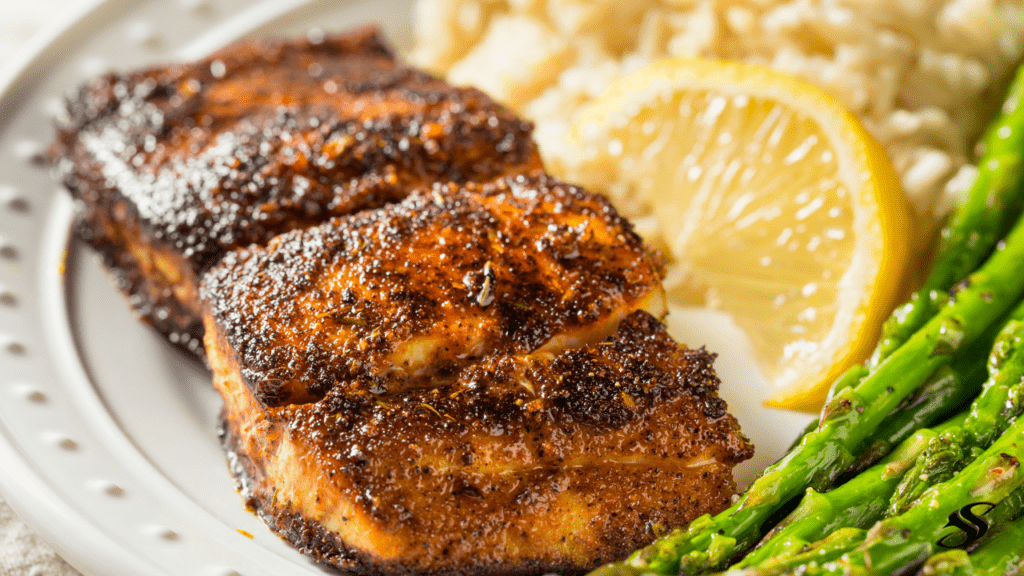
• Excellent eating fish – I touched on the topic earlier, but redfish have nice, mild, flaky fillets that make for great fish sandwiches. I personally prefer blackened, but the recipes are endless.
• The key is to get a nice midsized fish, somewhere around the 22-inch mark seems to be the best eating for me.
Here is a great recipe that will have you coming back for seconds or thirds.
Blackened Redfish Recipe (Tampa Bay Style)
Ingredients
Fish
- 2 fresh redfish fillets (skin on or off)
- 2–3 tbsp melted butter
Blackening Seasoning
- 1 tbsp paprika
- 1 tsp garlic powder
- 1 tsp onion powder
- 1 tsp dried thyme
- 1 tsp dried oregano
- 1 tsp black pepper
- 1 tsp salt
- ½ tsp cayenne pepper (adjust for heat)
Instructions
1. Prep the Fish
Pat the fillets dry with a paper towel. This helps the seasoning stick and gives you a better crust.
Brush both sides of the fillets with melted butter.
2. Season Generously
Coat the fillets heavily with the blackening seasoning. Do not be shy here. This is where all the flavor comes from.
3. Heat the Pan
Use a cast-iron skillet if you have one. Heat it over high heat until it is extremely hot. It should be almost smoking.
4. Cook the Fish
Place the fillets in the pan.
- Cook for about 2–3 minutes per side
- Do not move the fish while it cooks
- You want a dark, flavorful crust
5. Finish
Remove from heat once the fish flakes easily with a fork.
Tampa Bay Redfish Regulations
• Slot size typically:
- 18–27 inches
- Larger fish are breeding stock and must be released
- Open year-round
- Daily Bag Limit: 1 fish per person; 2 fish vessel limit
It is okay to take what you need, but try to be conscious of catch and release. We want to sustain our fishery for future generations to come.
Conclusion
Keep learning about redfish and practice catch and release. The more we can learn, the better off our fishery will thrive. If you are ready to book a redfish charter, give me a call, Capt. Joshua Taylor 813-484-3831. Let’s go fishing!