Tampa Bay’s New Super Reef
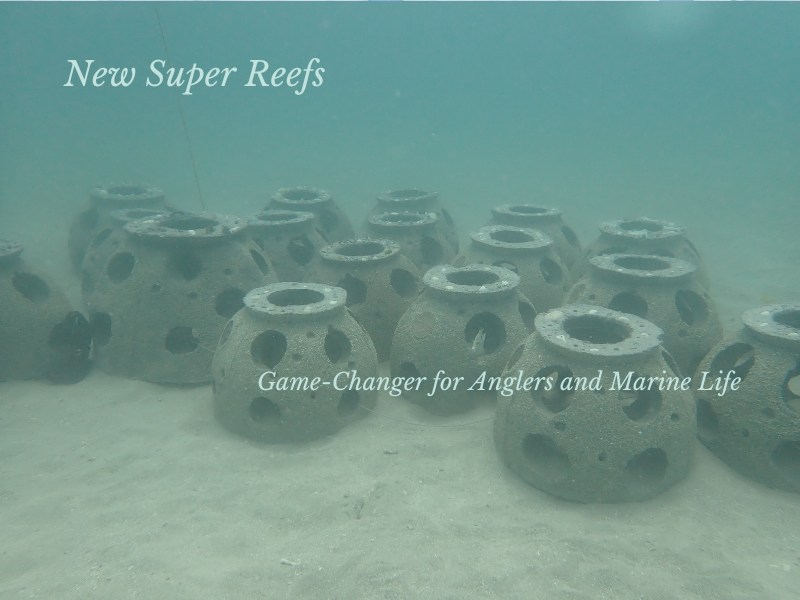
Florida’s Gulf Coast has just become even more exciting for anglers and marine conservationists alike. Bay County, located just east of Tampa Bay, recently deployed 10 new “Super Reef” modules in federal waters off St. Andrew Pass and they’re already creating a buzz.
Standing 15 to 25 feet tall, each of these purpose-built reef structures features layered discs and vertical poles designed to mimic natural reef formations. Their size and complexity offer a dramatic upgrade in habitat quality for marine life, providing shelter, breeding grounds, and feeding areas for a variety of reef-dwelling species.
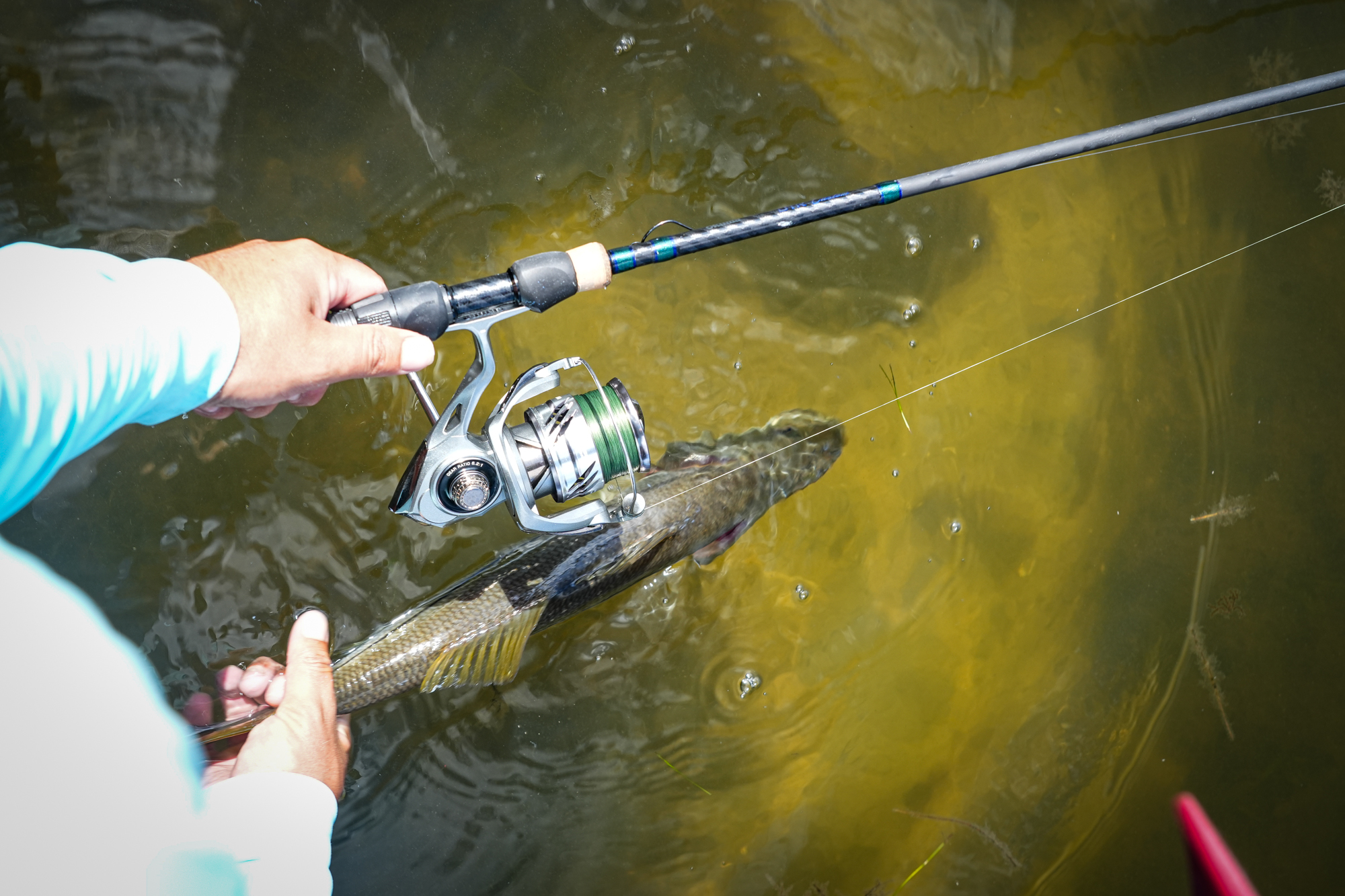
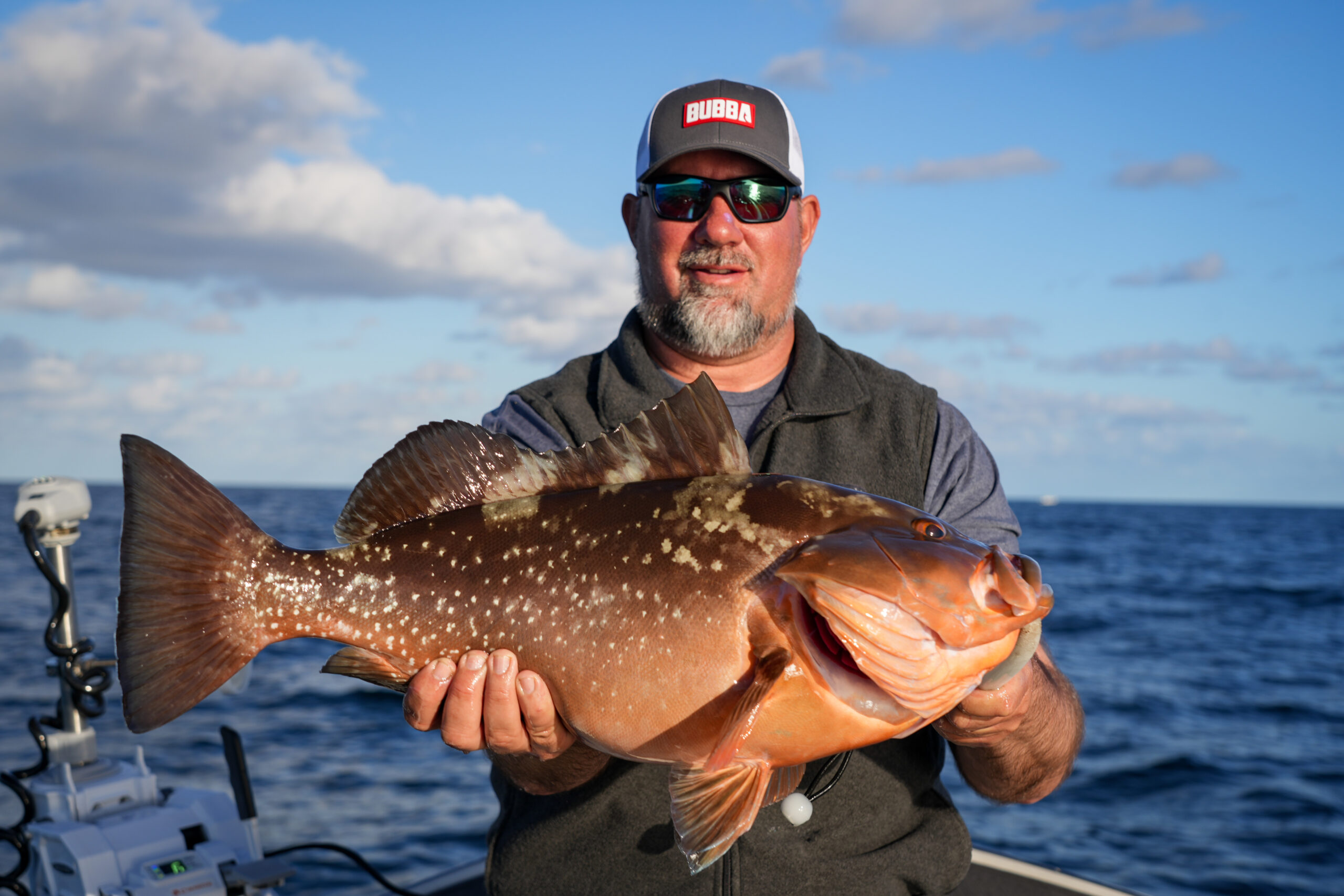
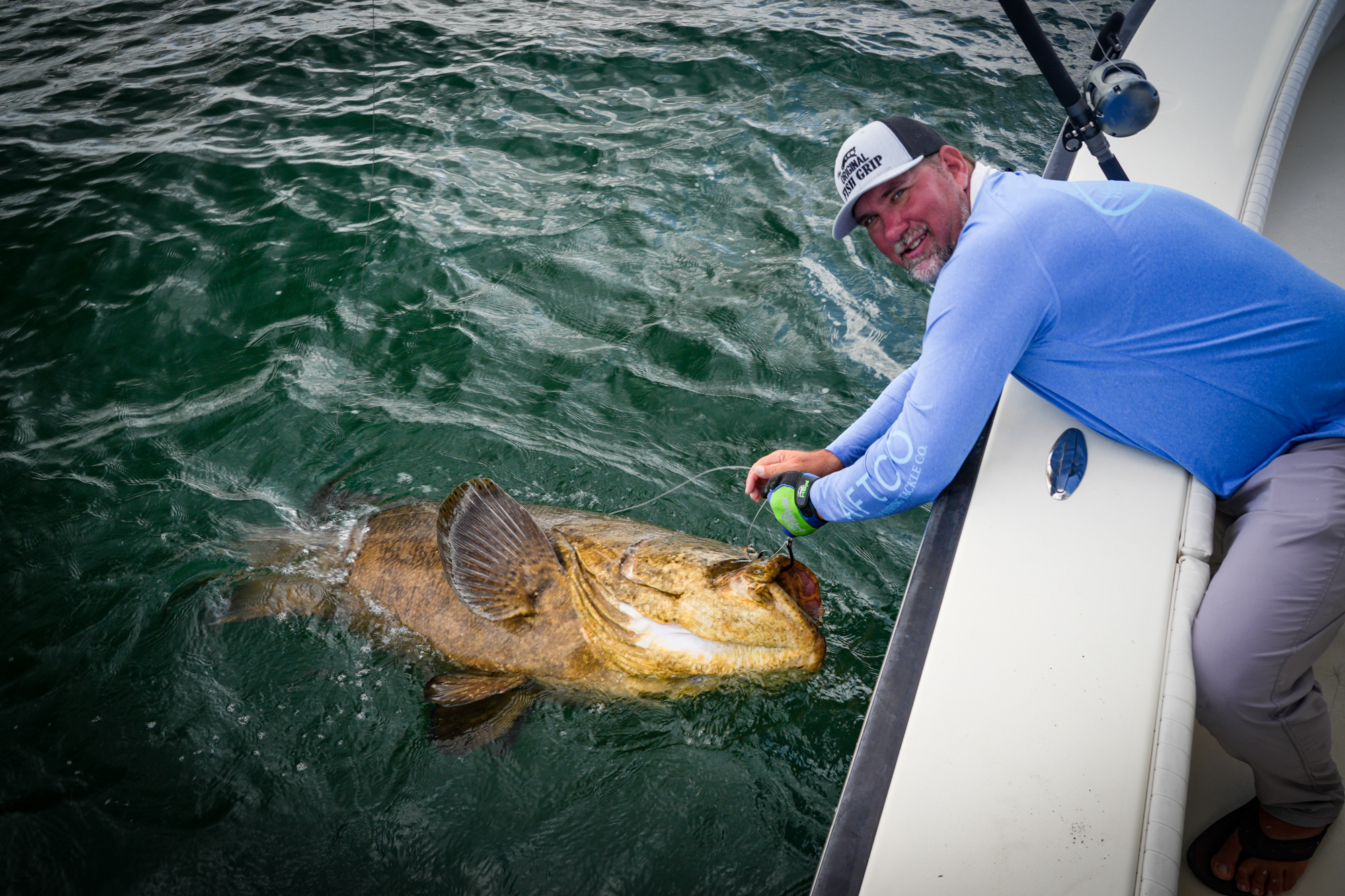
But this isn’t just about boosting biodiversity, it’s a boon for fishing, too. These artificial reefs are quickly becoming hotspots for recreational and charter anglers, with reports of increased catches of grouper, mangrove snapper, amberjack, and other prized species. The unique design allows fish to congregate at various depths, creating more opportunities for anglers to target specific species throughout the water column.
A Response to Environmental Disaster
This reef deployment is part of Florida’s NRDA (Natural Resource Damage Assessment) Phase III Reef Restoration, a statewide initiative launched in the aftermath of the Deepwater Horizon oil spill. Funded through environmental recovery grants, the project’s primary mission is to restore and enhance marine ecosystems that suffered from the disaster.
These “Super Reefs” represent the next generation of artificial reef technology. Unlike older reef structures, often made from concrete rubble or sunken ships, these units are engineered for both ecological performance and angler access. They provide long-lasting, stable platforms for coral colonization, and their height and complexity offer enhanced protection for juvenile fish and forage species.
A New Frontier for Tampa Bay Anglers
While the reef modules are located off the coast of Bay County, their impact is being felt well beyond. Tampa Bay anglers and charter captains are already making the run to these new structures, drawn by reports of early success and the opportunity to explore a new frontier in offshore fishing.
With GPS coordinates provided by local agencies and ongoing monitoring by marine scientists and the Florida Fish and Wildlife Conservation Commission (FWC), anglers can not only enjoy better fishing but also be part of a broader conservation success story.
If you’re heading out, bring medium-to-heavy tackle suited for deep structure fishing. A stout rod paired with 60–80 lb braid, live bait rigs, and circle hooks are ideal. For those targeting species like red grouper or amberjack, vertical jigs and slow-pitch lures are producing great results.
More Than Just Fishing
While the angling benefits are obvious, these reef deployments also support eco-tourism, diving, and long-term habitat restoration. According to Florida Sea Grant, the multi-functional value of these reefs helps ensure the sustainability of both the marine environment and the coastal economies that depend on it.
For anglers, divers, and conservationists alike, the Bay County “Super Reefs” are a win-win. And for those based in the Tampa Bay region, it might be time to plan your next offshore adventure, you won’t want to miss what’s happening just a few hours to the east.